The Leclerc Tank Pre-Prototype — Breakdown & Making Of, Part 1
This is the first part of the breakdown. You can find the second part here: https://www.artstation.com/artwork/nQX164.
For more beauty shots, visit : https://www.artstation.com/artwork/58lm4w
I was tasked with developing a game-ready 3D model of an early pre-prototype unit from the Leclerc main battle tank program for the Armored Warfare project. To achieve this, I utilized a comprehensive model development pipeline to create a high-quality, historically accurate, and game-optimized tank model.
My responsibilities included:
— Conducting additional research and gathering reference materials.
— Performing meticulous camera matching across multiple views to ensure geometrical consistency.
— Reconstructing missing parts that were not directly observable.
— Creating high-poly, artifact-free models using full Sub-D modeling with exaggerated bevels to ensure proper normal map baking and preserve intricate details.
— Developing an efficient low-poly model and UV mapping to minimize aliasing and facilitate seamless tiling of camouflage textures.
— Baking textures with consideration for Level of Detail (LODs).
— Texturing for Layered Shader: Painting texture masks to simulate dirt, rust, and scratches.
— Creating LOD and proxy objects.

In-Engine View (Post-Processed) from Game Version 0.30. Kudos to the Art Team for their awesome work on the environment! More beauty shots here: https://www.artstation.com/artwork/58lm4w

Breakdown part 2: https://www.artstation.com/artwork/nQX164
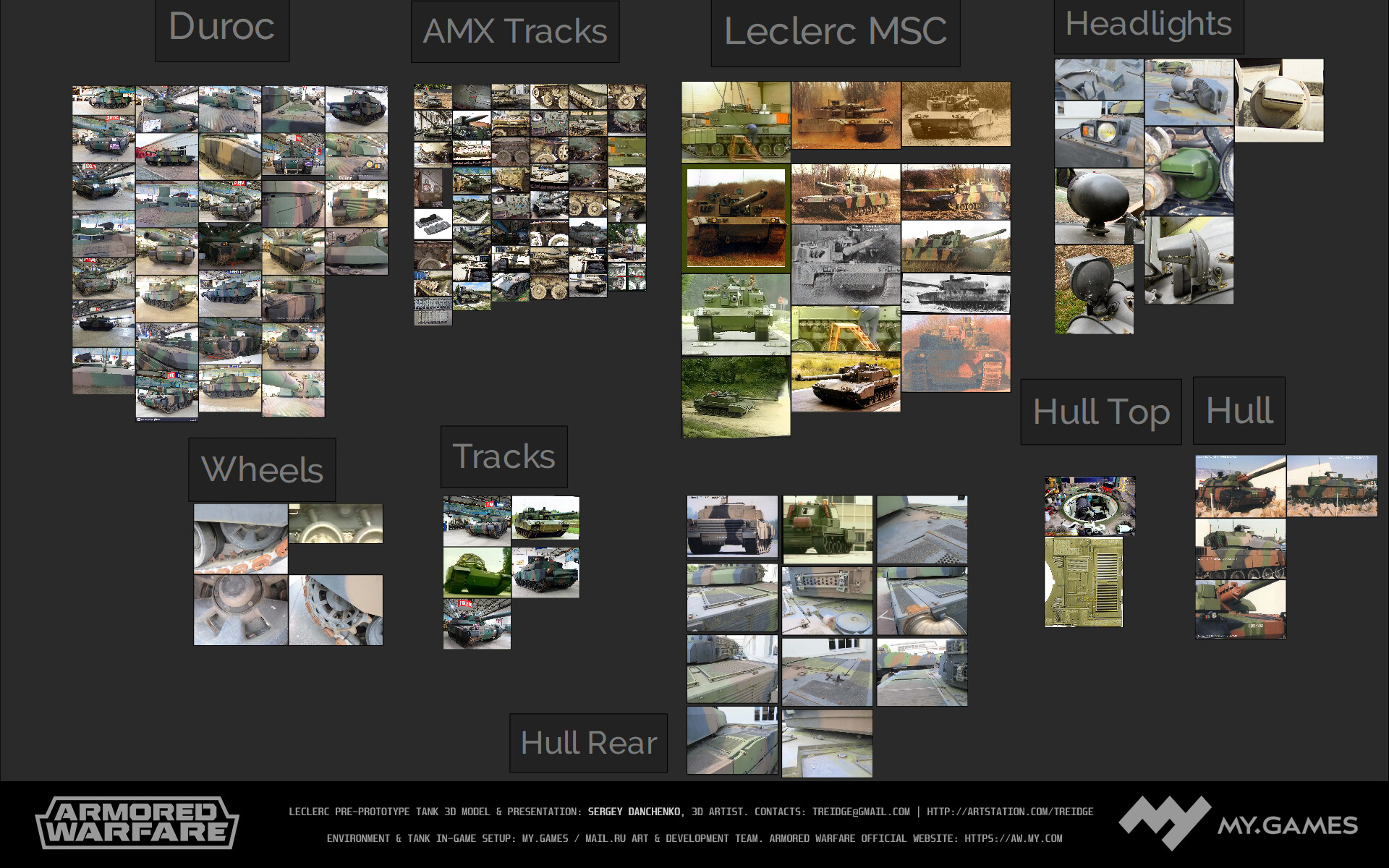
I've started with an additional research and assembled the reference board. Not much photos were available for this particular unit, so I had to include some from the later prototype vehicles to cover parts unavailable for direct observation otherwise.

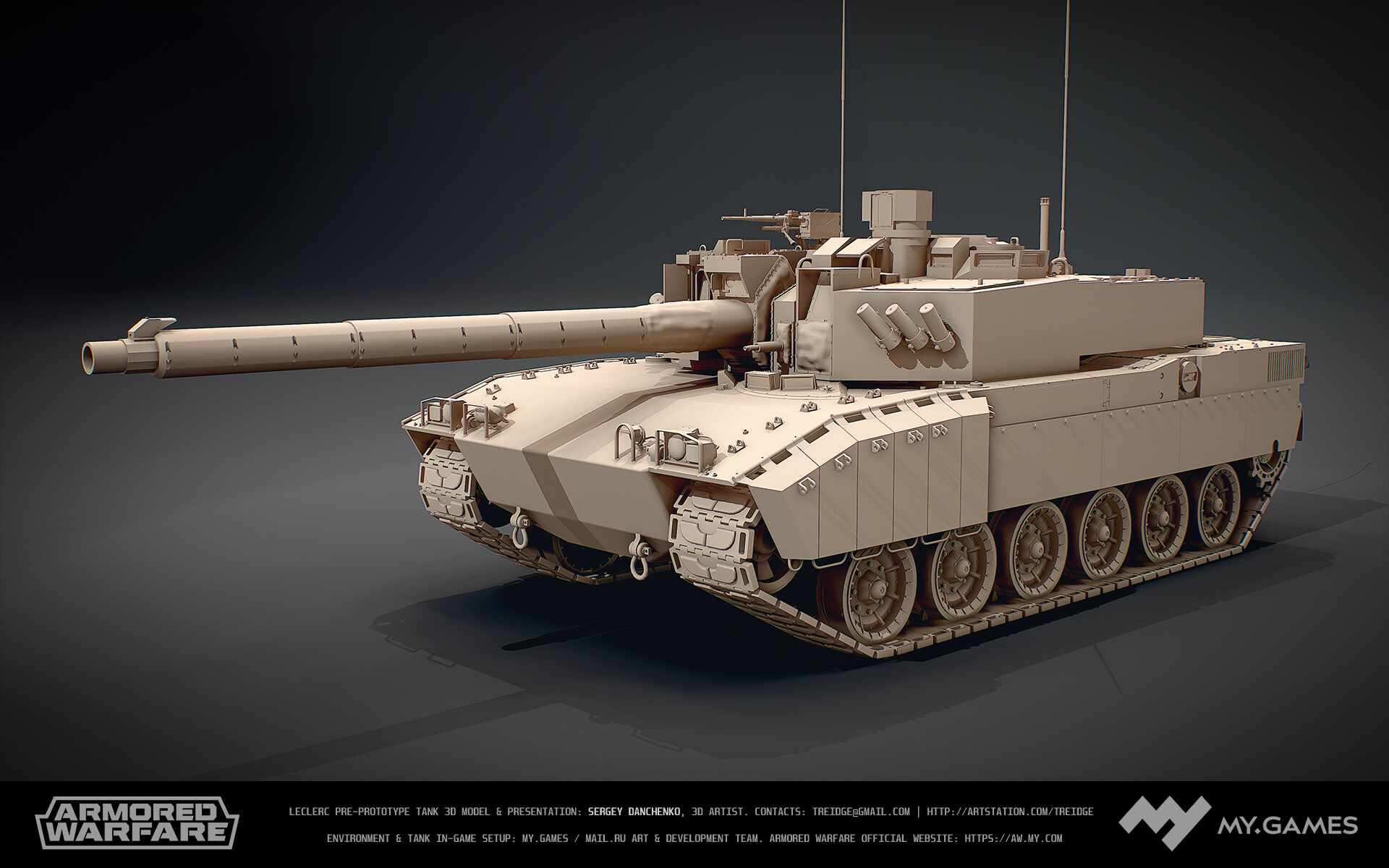
When I've learned as much as possible about this pre-prototype unit from photos and documentary video, I've started working on a draft model. This stage was by far the most complex and time-consuming. It was accounted for as roughly half of the work done.
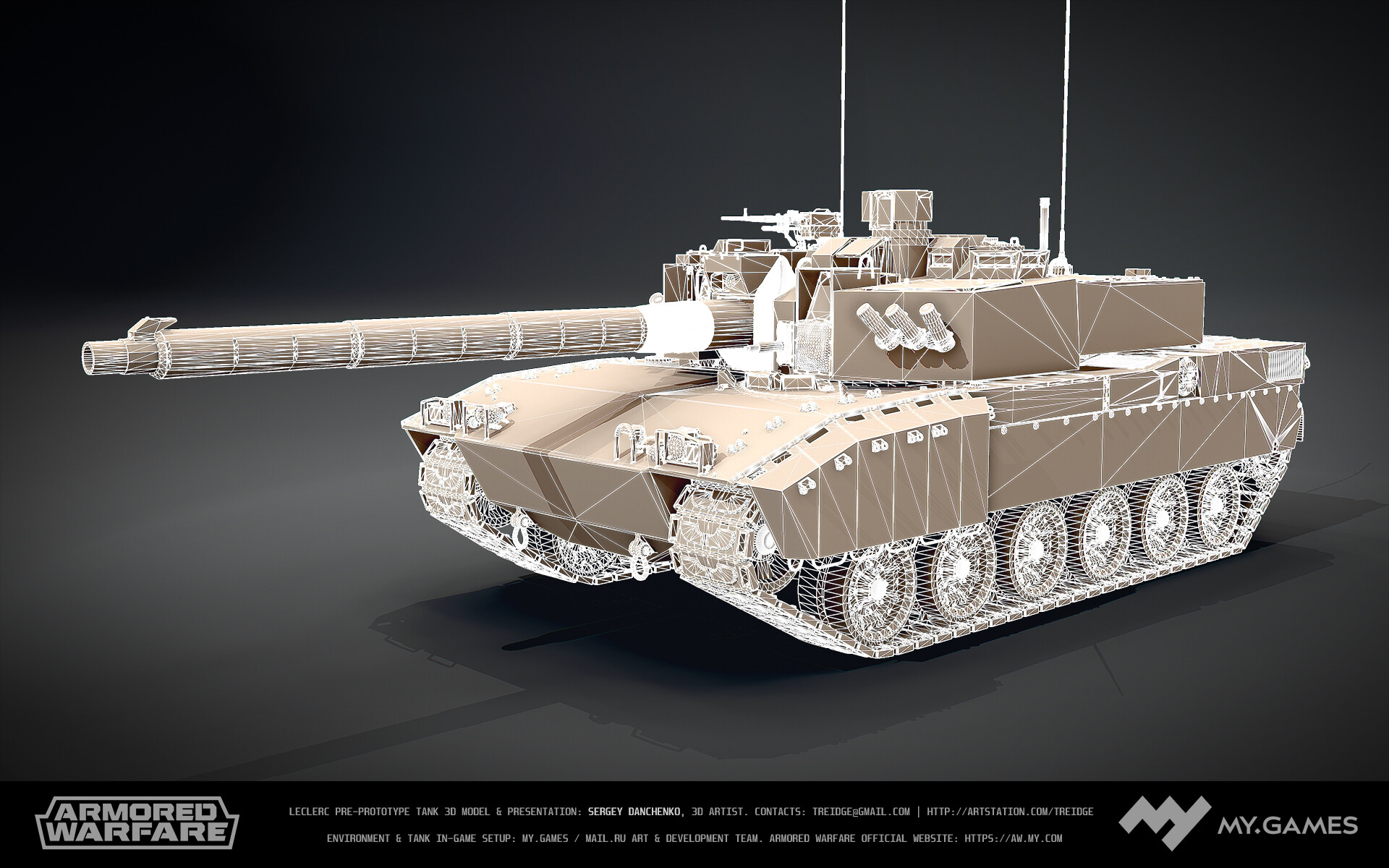
When making a draft model, one is not forced to keep clean geometry. The priority is to capture all of the necessary details and place them right. Still, I've found it to be useful to keep things tidy — later it saved me a lot of time on highpoly/lowpoly.

As this vehicle was the only unit ever made, the reference available was limited and often of poor quality. Images of this particular unit's turret top and hull rear were unavailable. I had to reconstruct them using samples from later prototype vehicles.


In the process of draft modeling, I've meticulously camera-matched with three to five photos of the tank, shot from different angles, all at the same time. Getting right camera setups for this task was enormous effort by itself, slow and painful process.
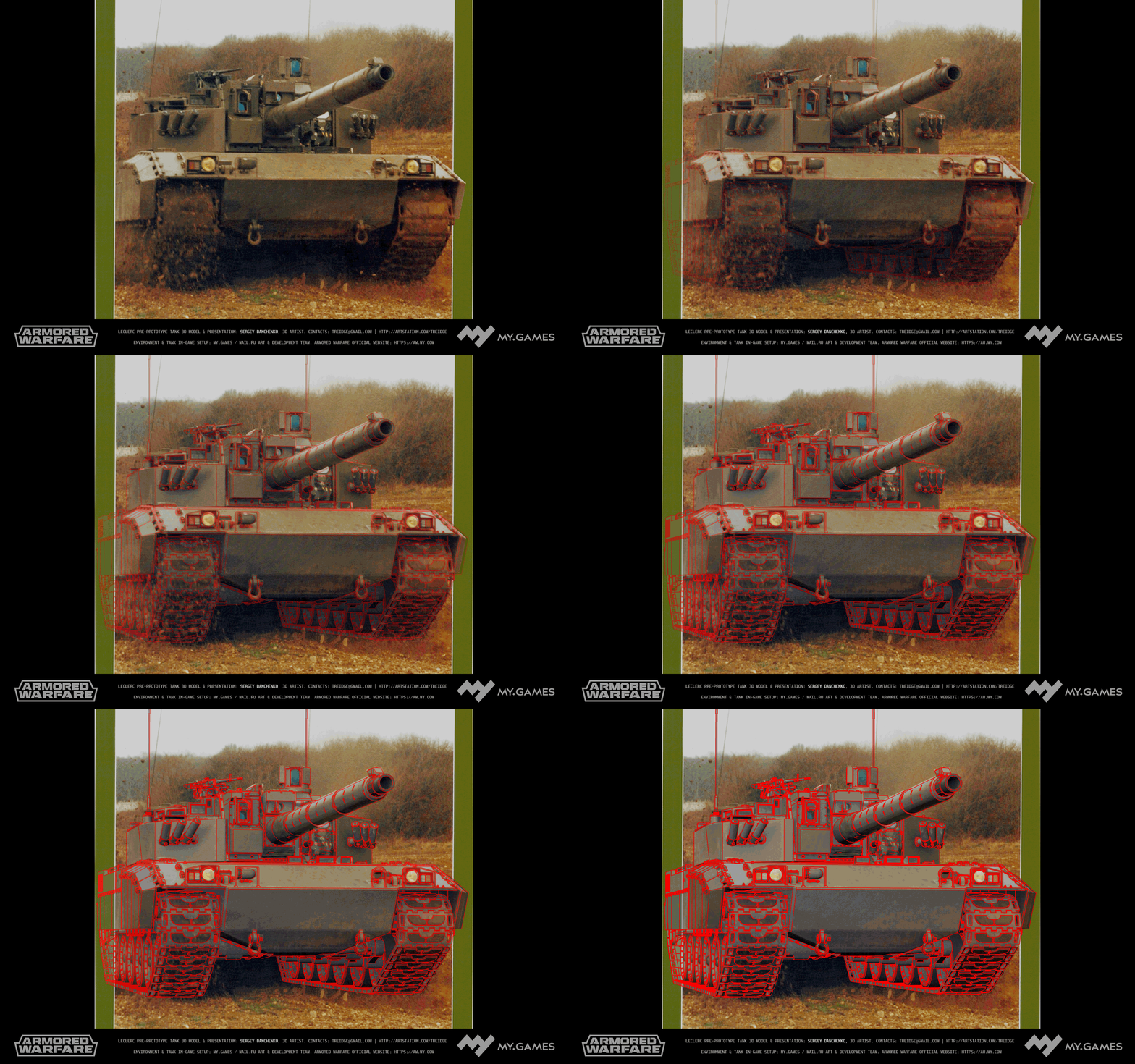
By matching virtual camera to the actual photographer's one, the artist can exploit perspective distortions to his or her advantage. Two or three of such shots, cross-referenced, can reveal much on object form, dimensions and distribution of features.
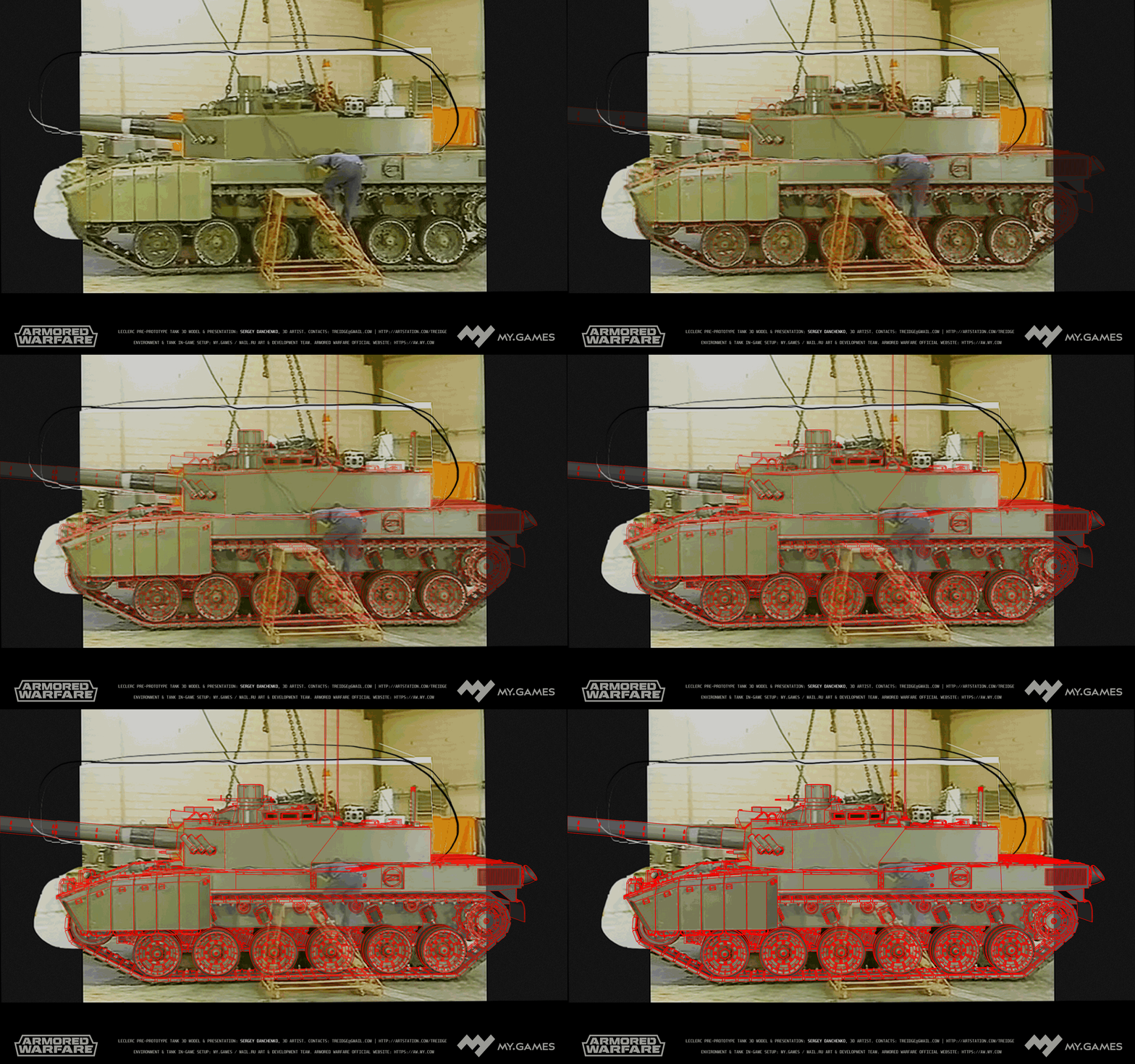
Using photos as image planes in a number of camera-matched viewports of Maya, I was able to pinpoint proportions, locations and sizes of many smaller objects, hence ensuring model's geometrical consistency.


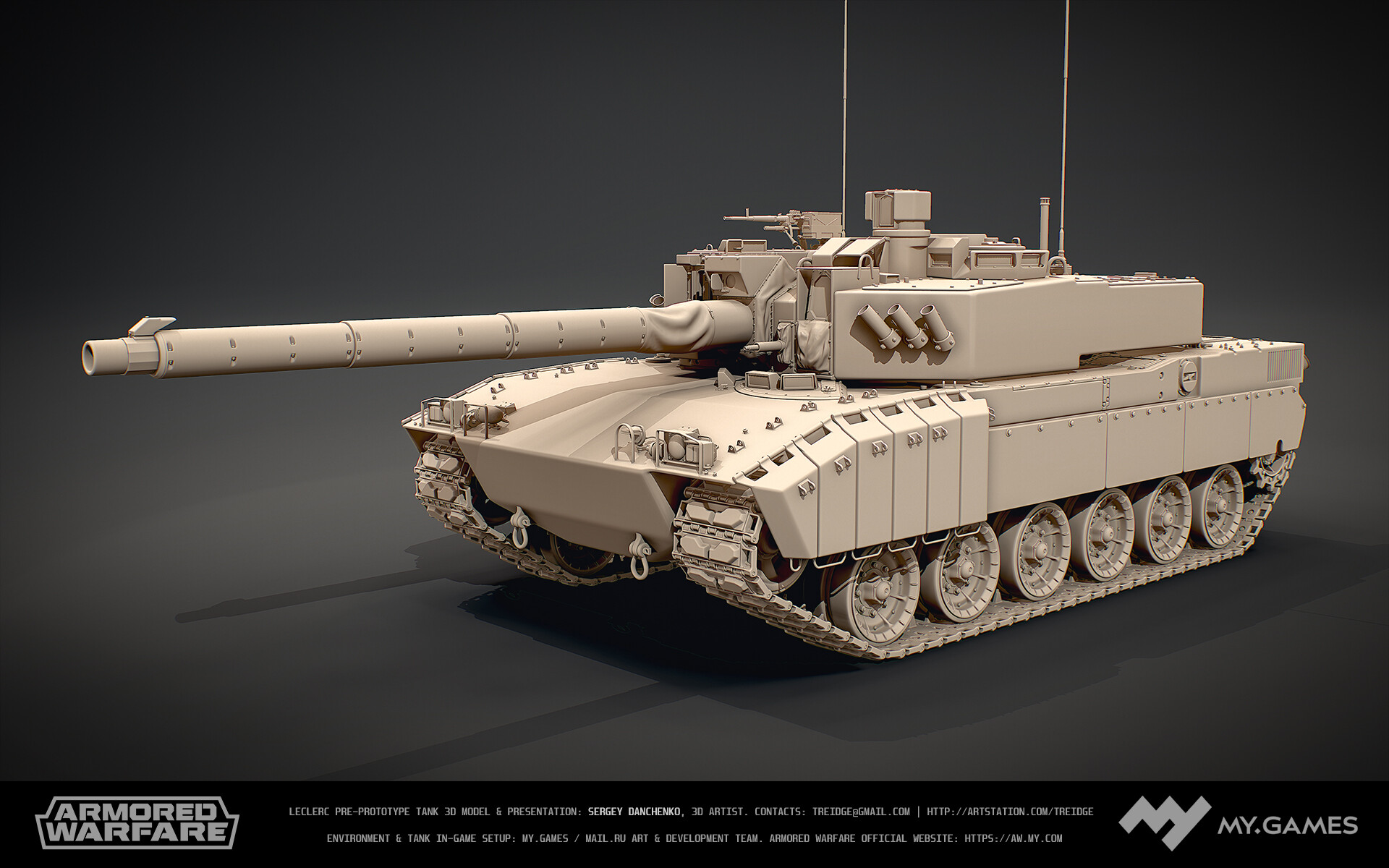
With draft model finalized and checked for authenticity by historical consultants, I've started working on the highpoly version.

Entire highpoly model has been carefully crafted using SubD surfaces. I've put particular attention in making it artifact-free, with virtually no surface pinching.

For models intended to be used inside games it is a good idea to somewhat exaggerate smoothness of geometry edges. By making bevels smoother and wider that they are in real world, the artist ensures that such details will be captured during bake stage.
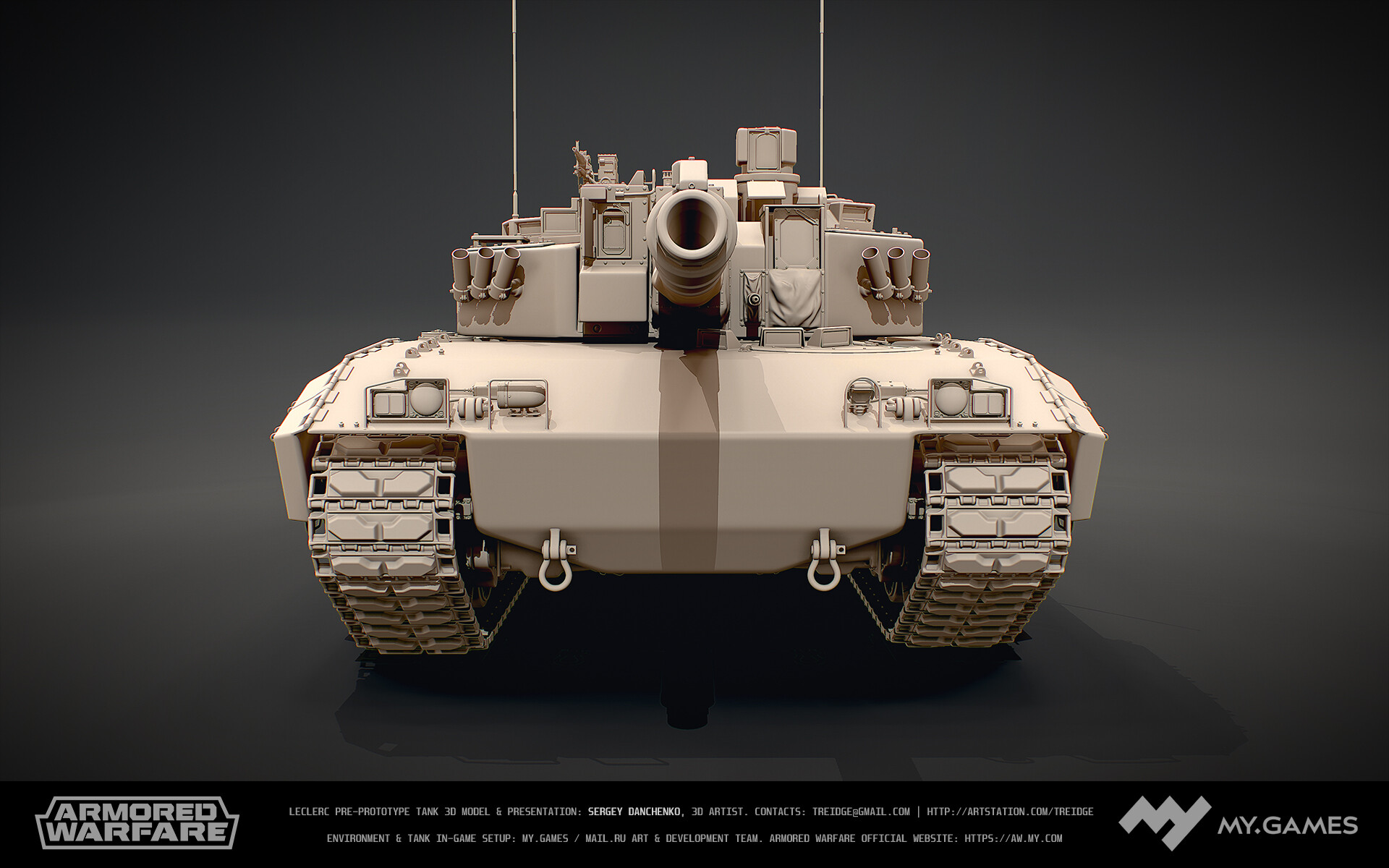
Razor-sharp edges, modeled after a real-world example, most often will not bake properly. Texture resolution and texture compression are limiting factors here. Exaggerated bevels will keep specular highlights on edges over greater camera distances.
Another point of interest was construction of proper topology for SubD base geometry — it was essential for a high-quality model to keep smoothed corners and beveled edges having equal curvature (i.e. equal distances between supporting edge loops).

Notice the absence of weld seams and other fine surface details — welds were painted-in later on directly into normal map using Substance Painter. It saved me some time sculpting them.
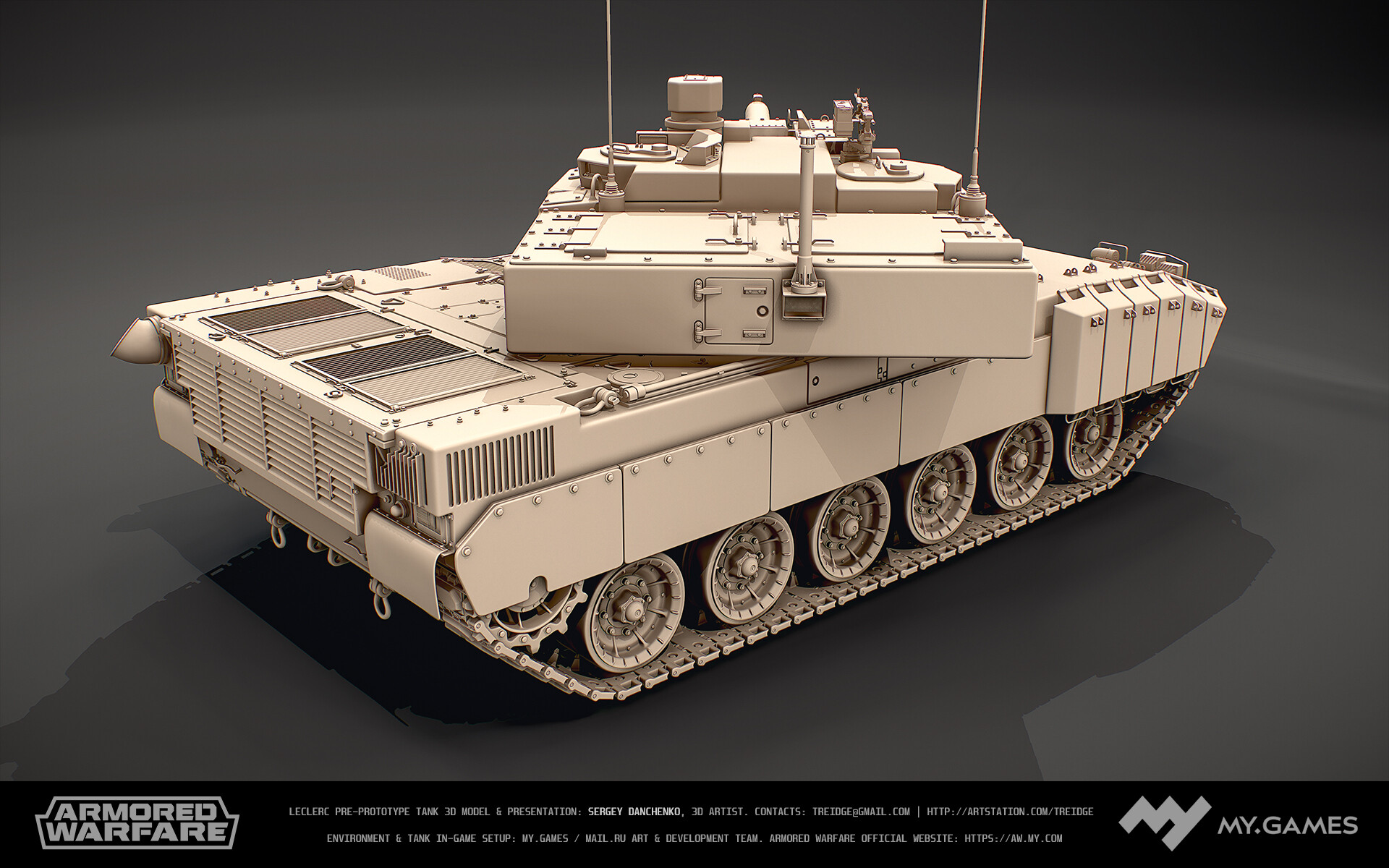
Fine surface properties were introduced directly into normal map using height maps during final in-engine setup performed by My.Games Art Team.

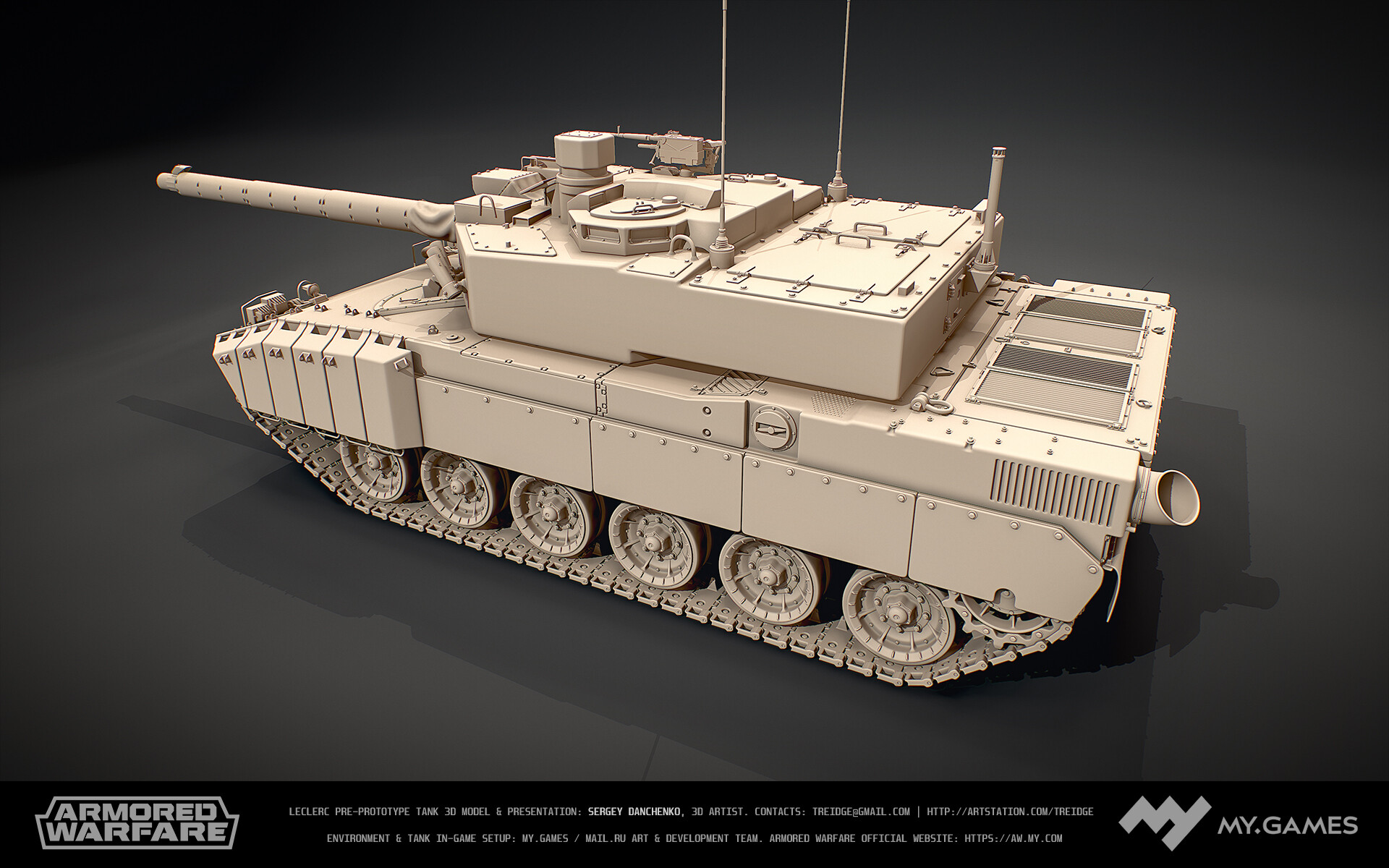
Rear and top part of the hull and top of the turret were reconstructed using vague hints from available image reference and samples from vehicles later in production.
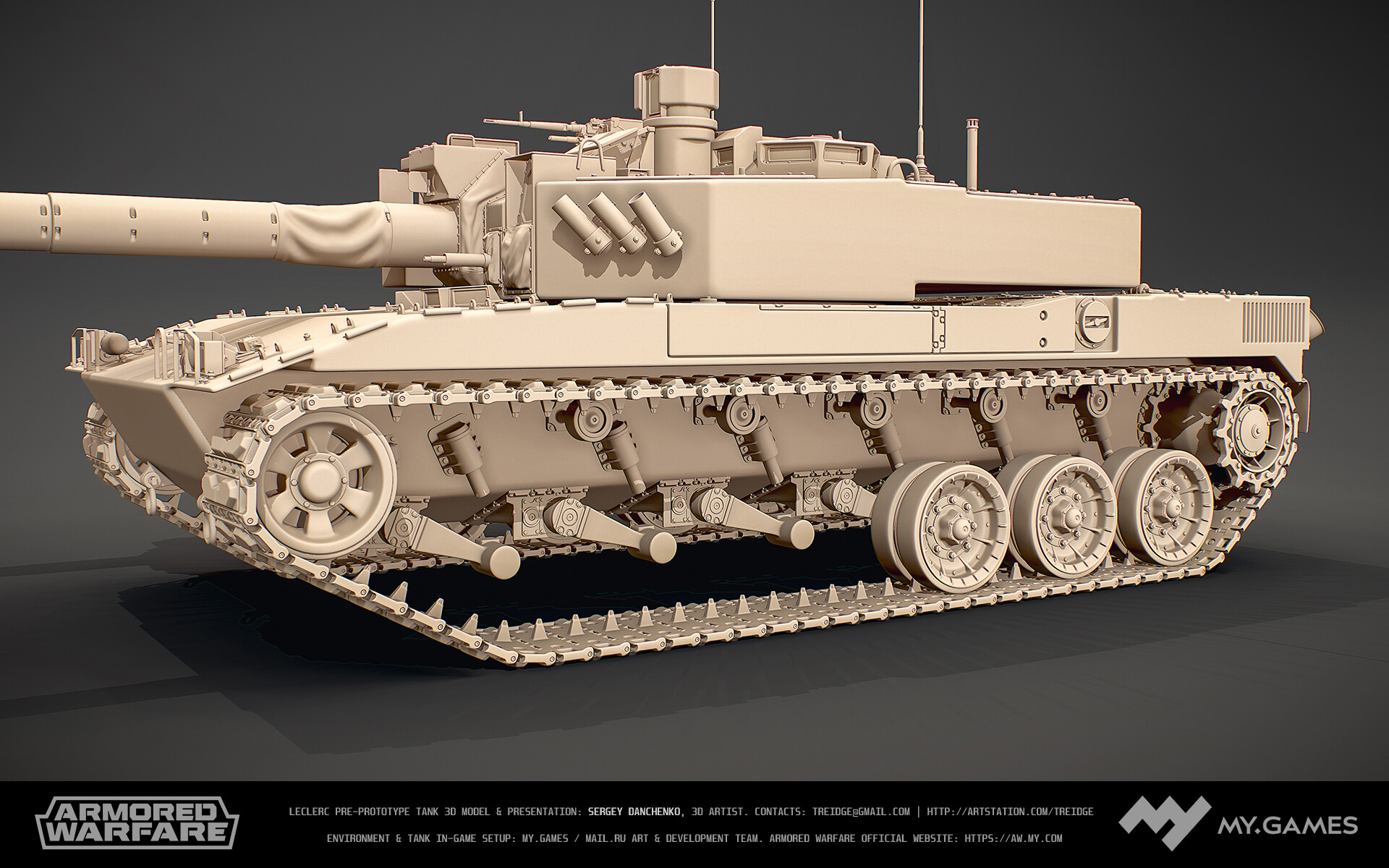
A view on suspension system. It took me a while to find adequate reference on this — later vehicles (prototypes and serial models) changed suspension from torsion bars to hydropneumatic system.
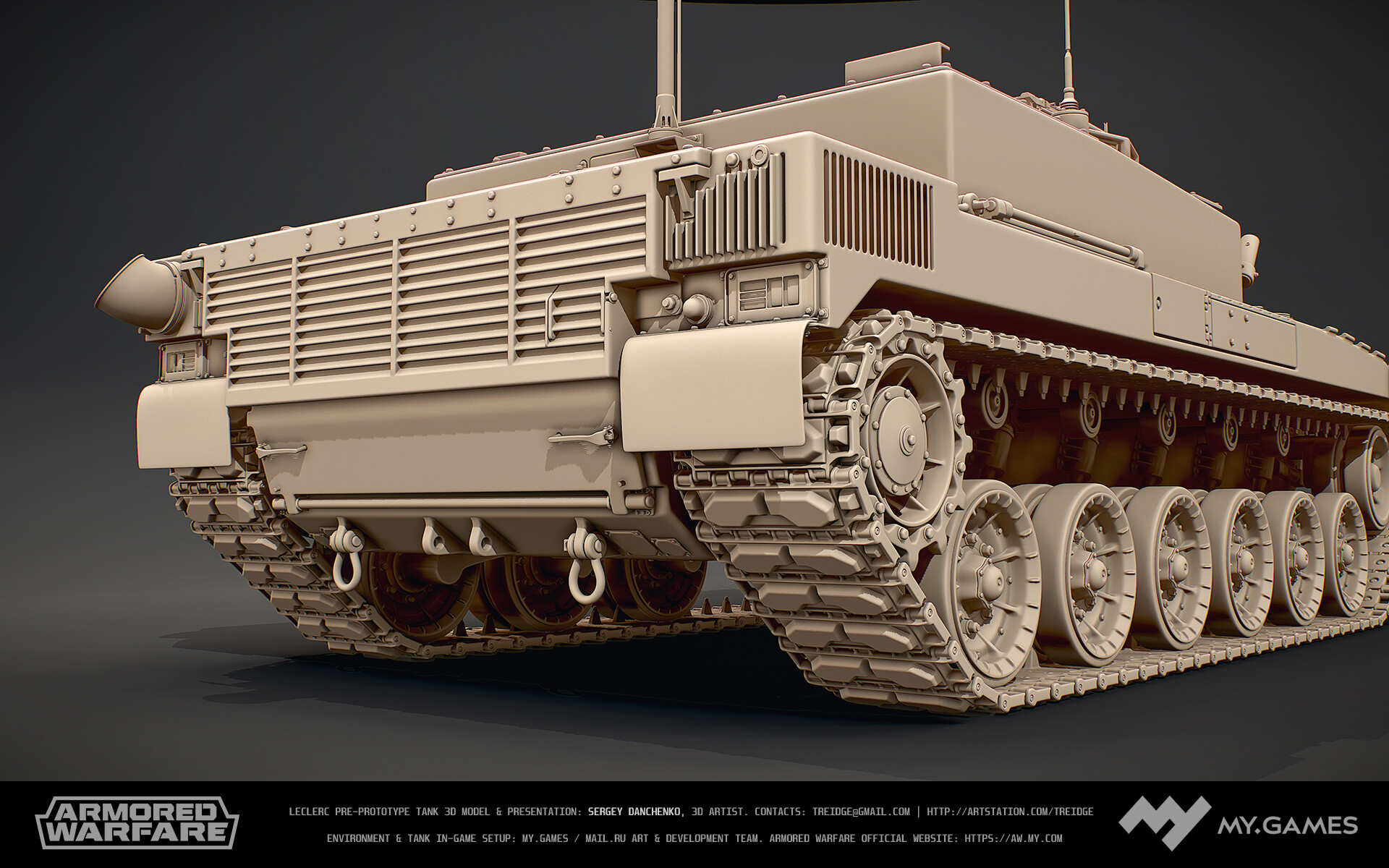
Assembling tracks in a way that they will fit drive sprocket naturally was another challenge. It took a lot of iterations on track segments dimensions, angles of rotation and spacing between individual segments to find just right configuration.
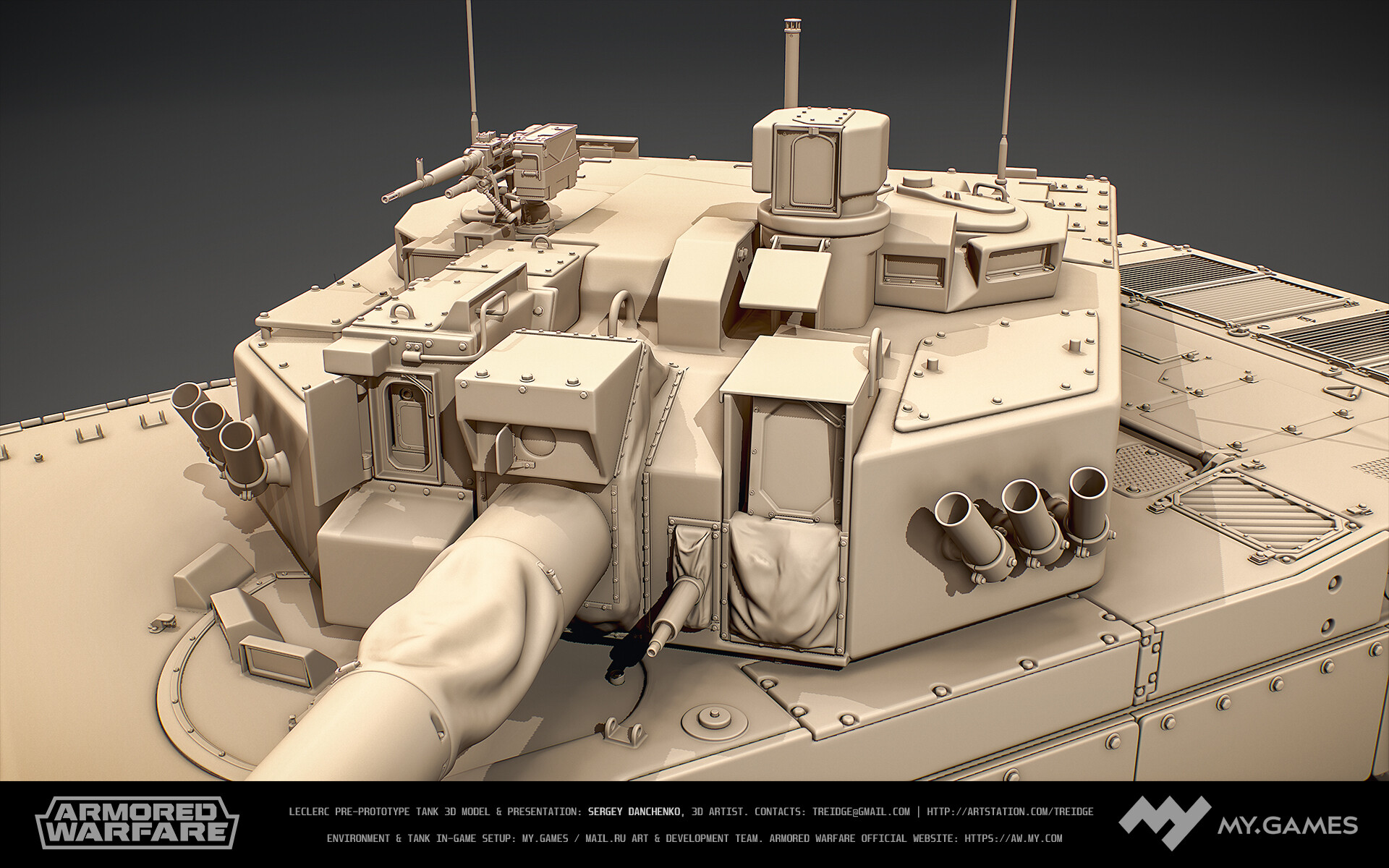
Cloth covers on gun and three pieces on turret were simulated rather than sculpted. Simulation provided good looking and natural results.
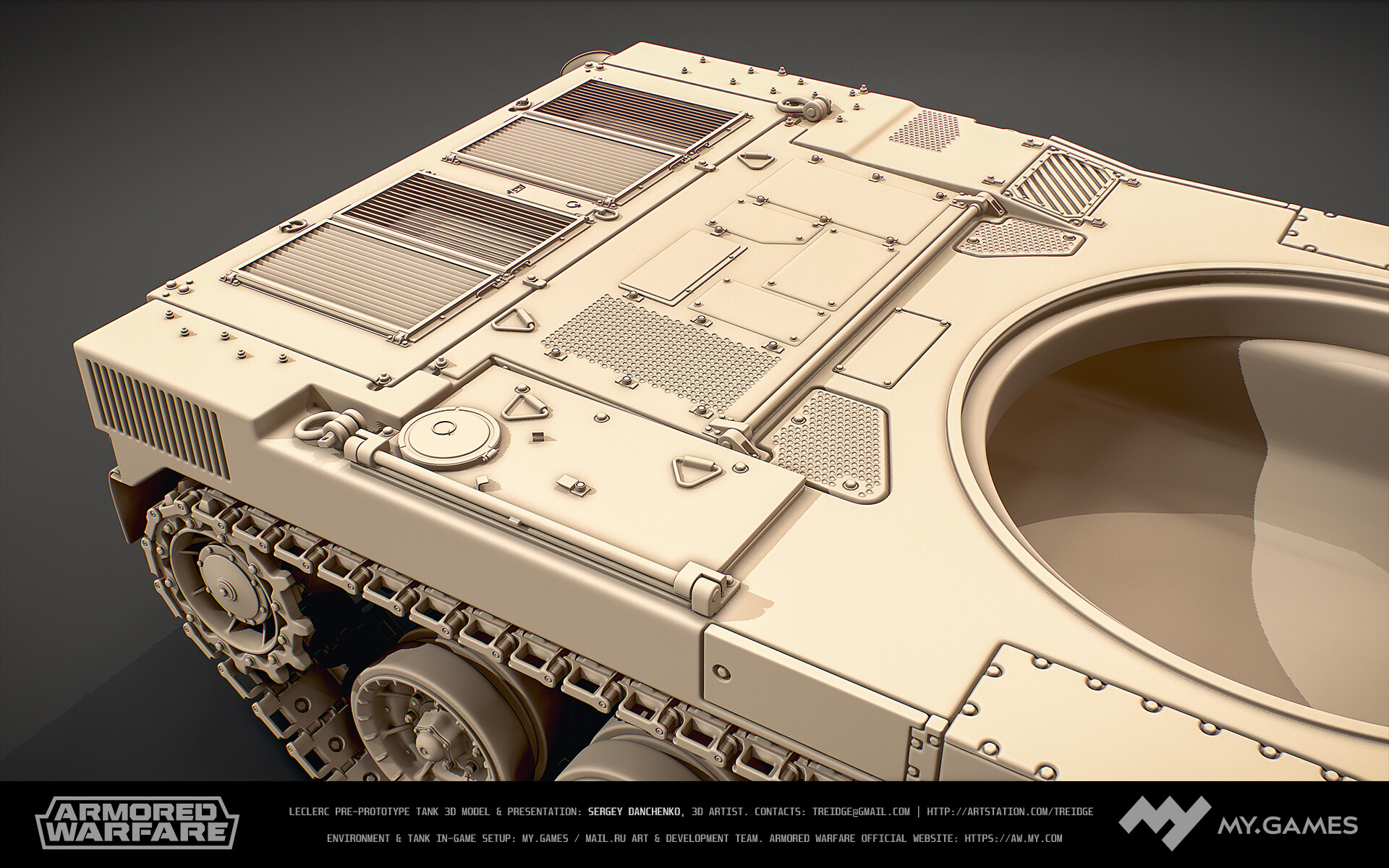
The hull had to be modeled in a way that will not prevent turret from 360 degrees of rotation. Of course, it has to be physically correct, so geometry penetration was unacceptable. It was crucial to find exact pivot point of turret's rotation axis.
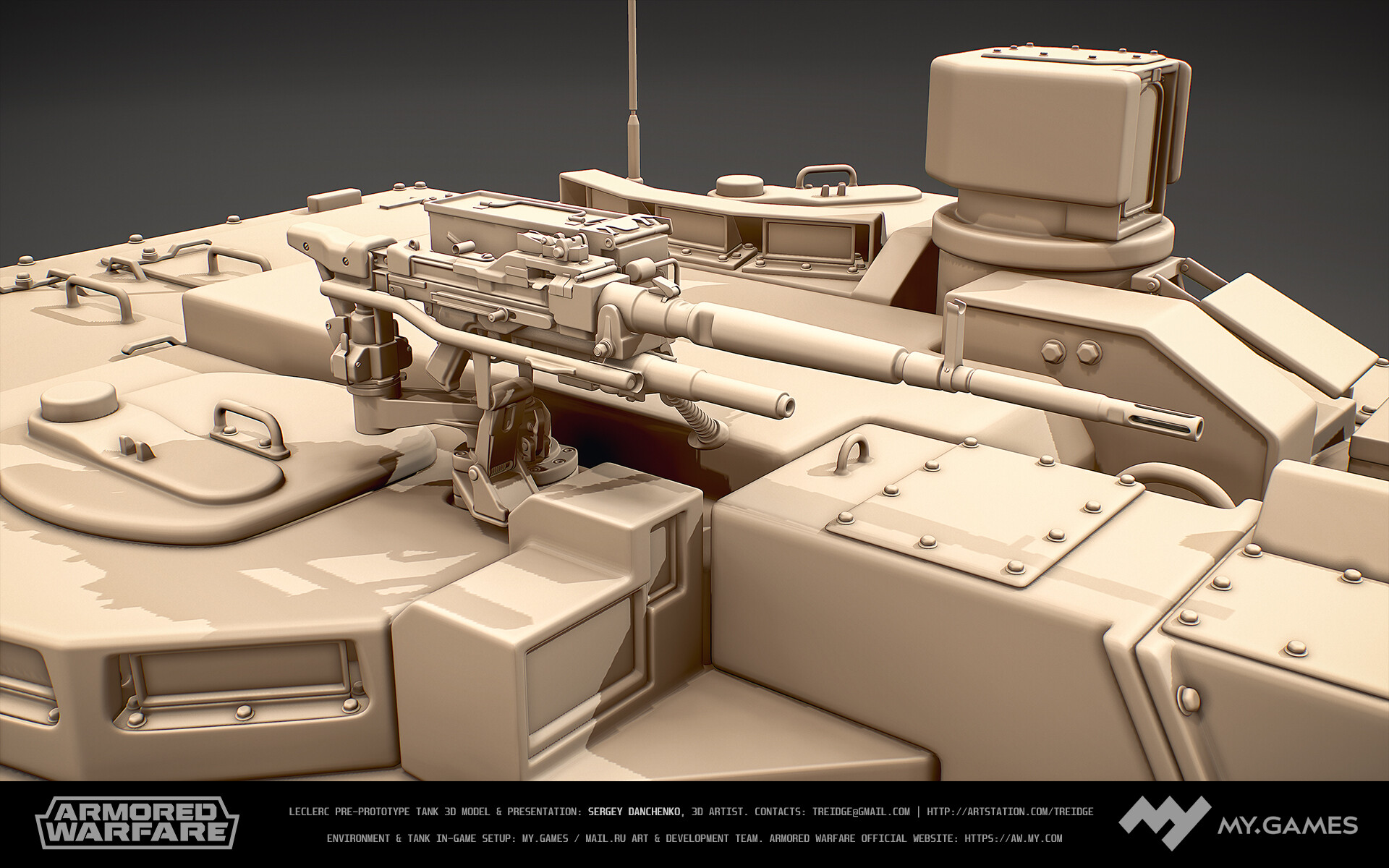
This turret has a rather detailed machinegun model on top :).
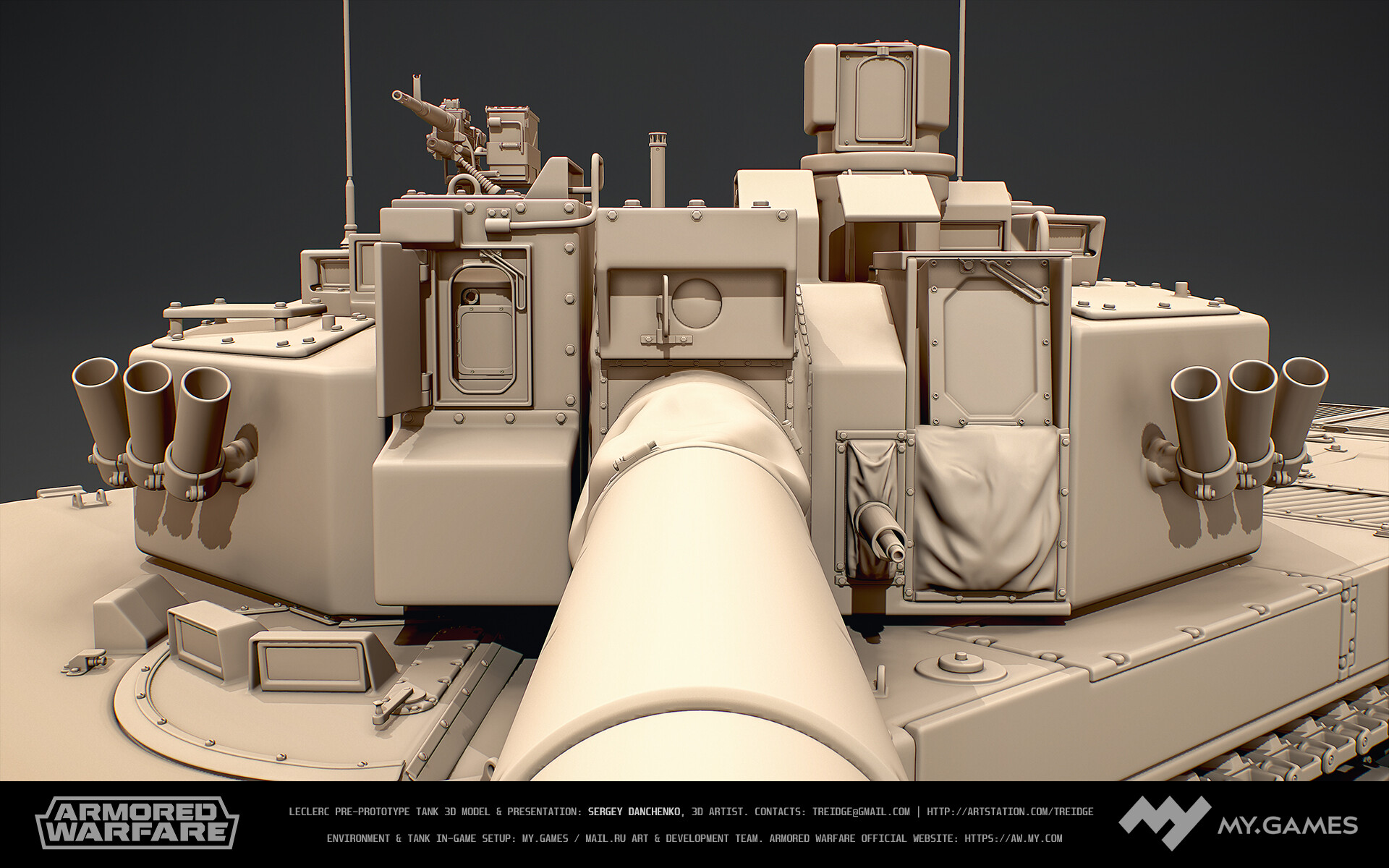
Collage of some parts of the model.

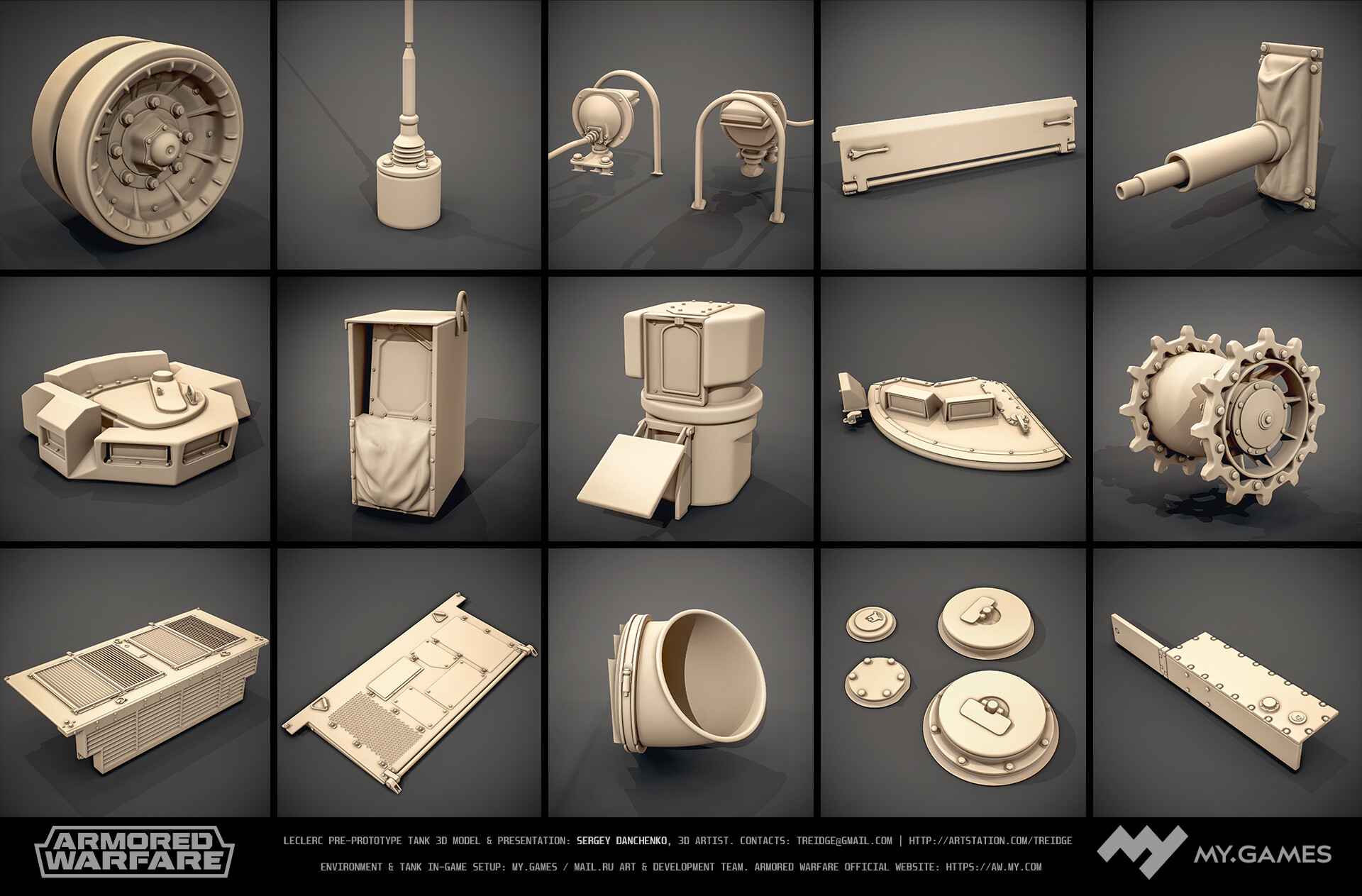
Collage of some parts of the model.


Breakdown Part 2: https://www.artstation.com/artwork/nQX164
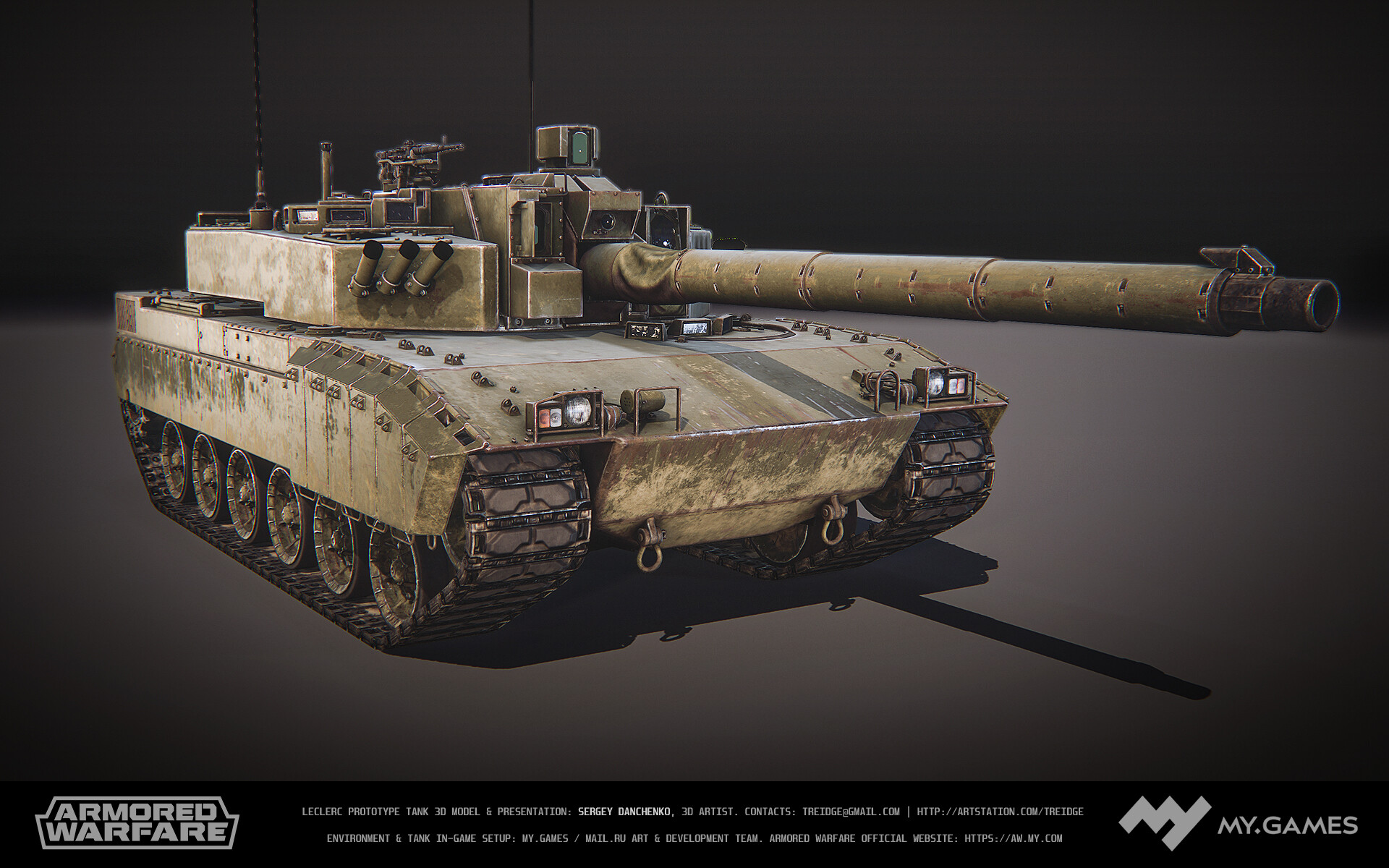
More beauty shots here: https://www.artstation.com/artwork/58lm4w
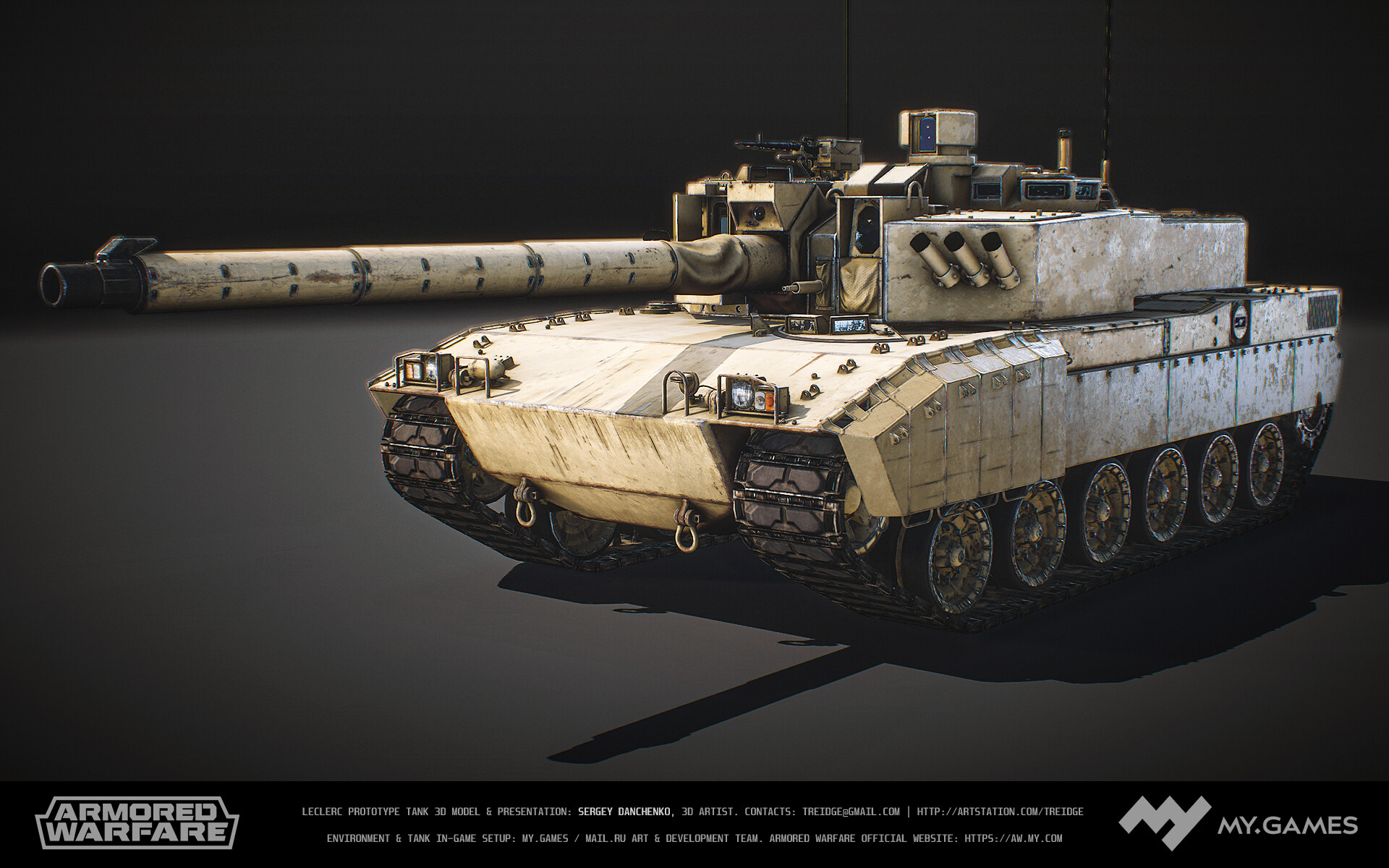
More beauty shots here: https://www.artstation.com/artwork/58lm4w

More beauty shots here: https://www.artstation.com/artwork/58lm4w
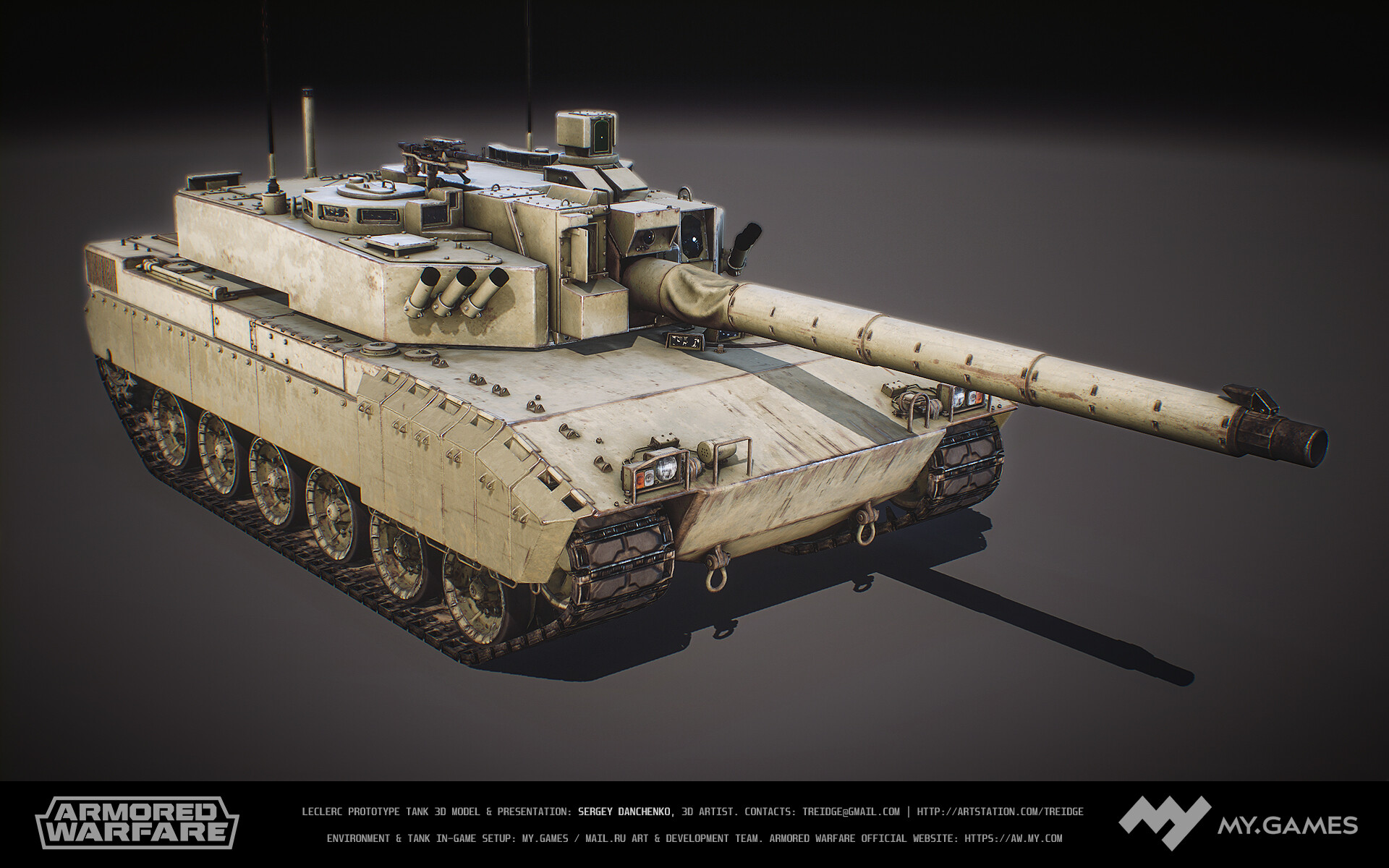
More beauty shots here: https://www.artstation.com/artwork/58lm4w

More beauty shots here: https://www.artstation.com/artwork/58lm4w
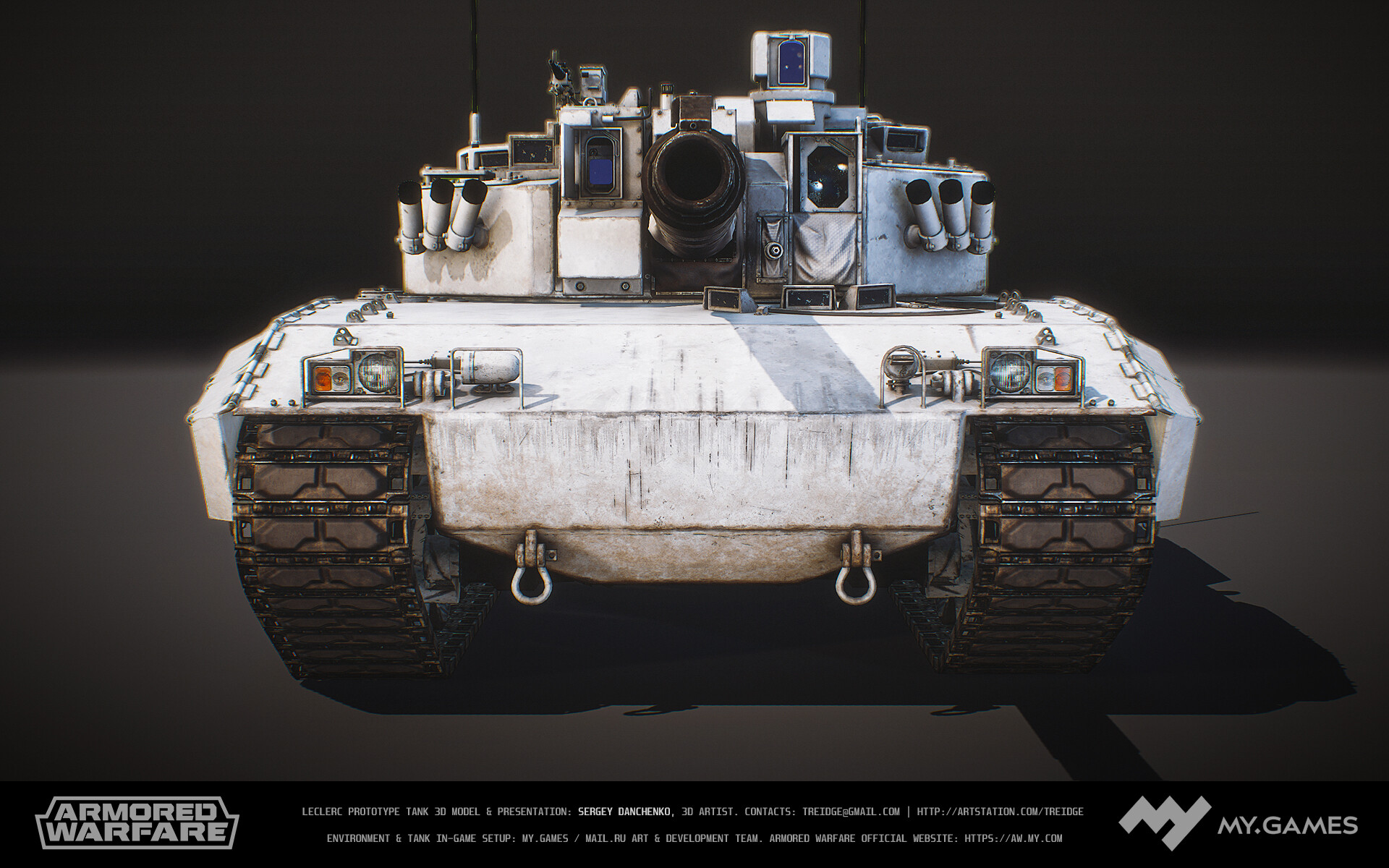
More beauty shots here: https://www.artstation.com/artwork/58lm4w

More beauty shots here: https://www.artstation.com/artwork/58lm4w
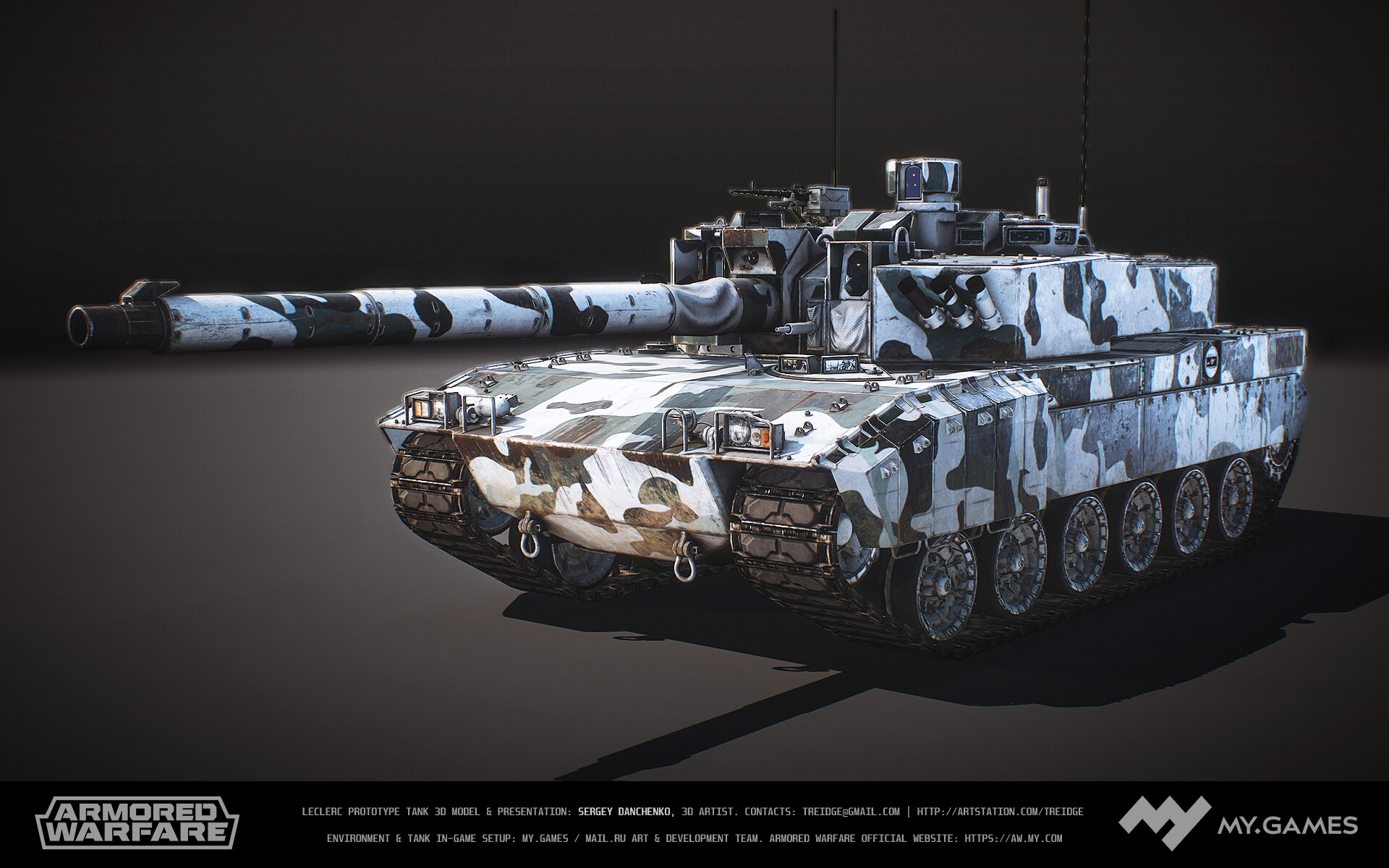
More beauty shots here: https://www.artstation.com/artwork/58lm4w

More beauty shots here: https://www.artstation.com/artwork/58lm4w